


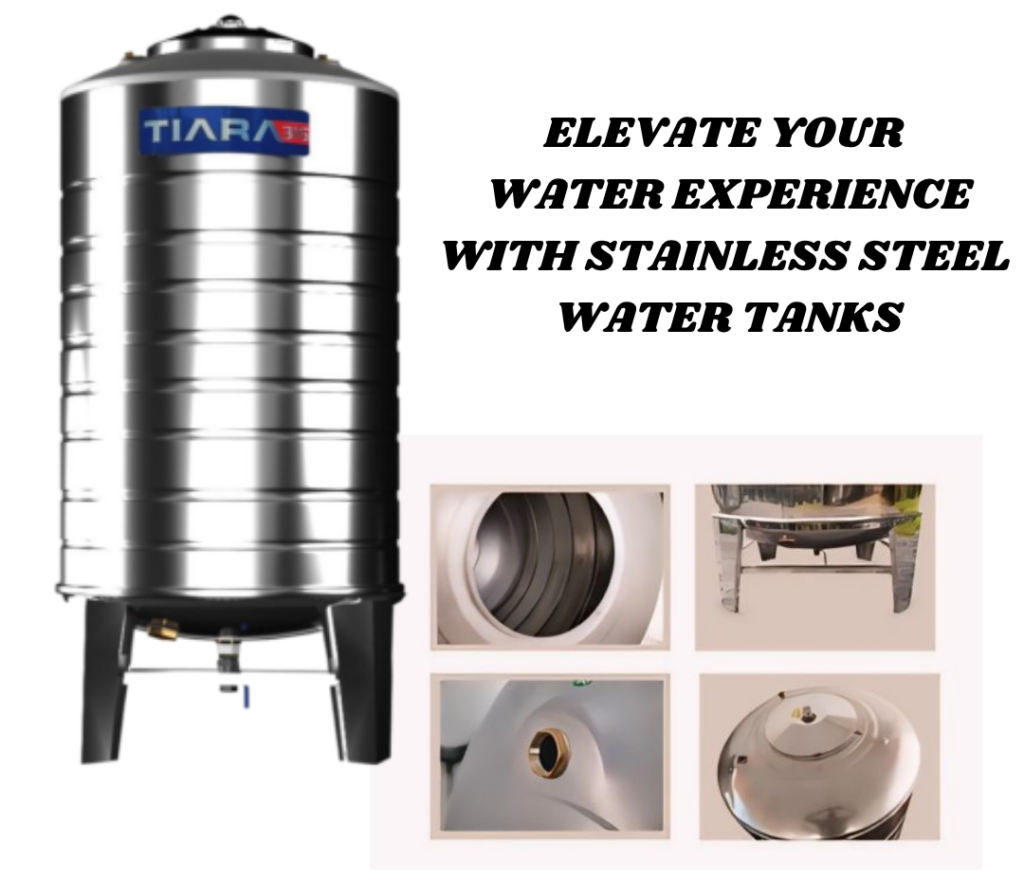
Installing a stainless steel water tank can significantly improve water storage efficiency, longevity, and hygiene. Whether for residential, industrial, or agricultural use, a well-installed tank ensures optimal water conservation and durability. Here’s a step-by-step guide to installing a stainless steel water tank for maximum efficiency.
1. Choose the Right Location
Selecting an appropriate location is crucial for the efficiency and longevity of the tank. Consider:
- Elevation: Install the tank on higher ground to allow for natural gravity-based water flow.
- Accessibility: Ensure it is easily accessible for maintenance.
- Distance from Contaminants: Keep the tank away from sewage systems or waste disposal areas to avoid contamination.
- Foundation Stability: The location should have a solid and level surface to prevent tilting or sinking.
2. Prepare a Strong Foundation
A sturdy foundation prevents structural damage and enhances efficiency. Follow these steps:
- Use concrete or reinforced steel platforms to provide stability.
- Ensure the foundation is level and well-compacted to bear the weight of the filled tank.
- If installing on the ground, use a protective base like rubber padding to minimize corrosion.
3. Install Inlet and Outlet Pipes Efficiently
Proper piping enhances water flow and prevents leakage. Consider:
- High-quality stainless steel or PVC pipes for durability.
- Strategic placement of inlet and outlet pipes to maintain an even water flow.
- Anti-leak fittings and sealants to prevent water wastage.
- Overflow outlet to manage excess water efficiently.
4. Connect Filtration Systems (if needed)
For drinking or industrial use, integrating a filtration system enhances water quality:
- Activated carbon filters to remove impurities.
- UV purifiers to eliminate bacteria.
- Reverse osmosis systems for additional purification.
5. Ensure Proper Ventilation and Drainage
To maintain efficiency:
- Install ventilation caps to prevent vacuum formation, enabling smooth water flow.
- Ensure proper drainage to avoid stagnant water accumulation, which can lead to bacterial growth.
6. Conduct Leak Tests and Safety Checks
Before full operation, verify:
- Tight seals on joints and valves to prevent leaks.
- Pressure and durability tests to ensure stability.
- Check for rust or damages before final usage.
7. Regular Maintenance for Long-Term Efficiency
Routine maintenance prolongs the tank’s life:
- Clean the tank periodically to prevent sediment buildup.
- Inspect pipe connections for wear and tear.
- Apply anti-corrosion coatings when necessary.
By following these steps, you ensure the best performance and longevity of your stainless steel water tank, maximizing efficiency and sustainability.